General Plumbing in Kotara
Leak Detection Kotara
Some plumbing faults announce themselves. A hidden leak does the opposite: it sits behind plaster or under a floor, quietly running up the water bill while the damage spreads out of sight.
Homes across Kotara hide water well, thanks to the ground under them and the way the houses were built. This page covers the warning signs, where leaks usually lurk in post-war homes, and how the fault gets located and fixed.
The clues a hidden leak leaves
Most hidden leaks whisper before they shout. Any one of these signs is worth a phone call; two together usually mean water has been escaping for a while.
- A water bill climbing even though nobody's changed their habits
- The sound of running water when every tap and appliance is off
- A warm patch on a concrete floor, or one garden strip that never dries out
- Mould, peeling paint or a musty smell with no obvious source
- The meter ticking over with everything isolated
Don't write the last one off as a sticky meter, either. Modern meters only move when water moves through them.
The full service range lives on the home page, and the general plumbing hub routes to every service in this category.
Why leaks stay hidden so long around here
Two things work together in this suburb: the ground under the houses and the houses themselves. Both give a leak every chance to run undetected.
Reactive clay and shale
Weatherboard and fibro walls
Long, narrow blocks
Low ground near the creek
None of this makes leaks more likely here than anywhere else. It makes them harder to find by guesswork, which is exactly what detection gear exists for.
Where the water usually escapes
Certain spots account for most of the hidden leaks we trace on this era of housing.
Under concrete floors
Older homes often sit on slabs poured over original pipework, so a joint leak wicks in and shows up as warm tiles, lifted flooring or a cracked screed with no other explanation.
Behind bathroom walls
Shower mixers and copper runs live inside the wall cavity, and the first sign is often damp paint or swollen skirting on the far side, well away from the fitting actually leaking.
Along the garden line
One lush green strip across a dry lawn, or a tap weeping at its collar, points to the service line losing water somewhere between the front meter and the house.
In old galvanised runs
Original galvanised pipework in the post-war stock corrodes from the inside out, and a pinhole can weep for months before the rust stain on the plaster finally gives the game away.
Booking a detection job
- 1
Call and tell us
Ring (02) 4063 3461 and tell us what's going on in Kotara. We'll ask a few quick questions so the right gear is on the truck the first time.
- 2
Quote before work
You get the price before anything starts. No call-out fee, no hourly surprises, you approve the quote or we shake hands and leave, no charge.
- 3
Locate the fault
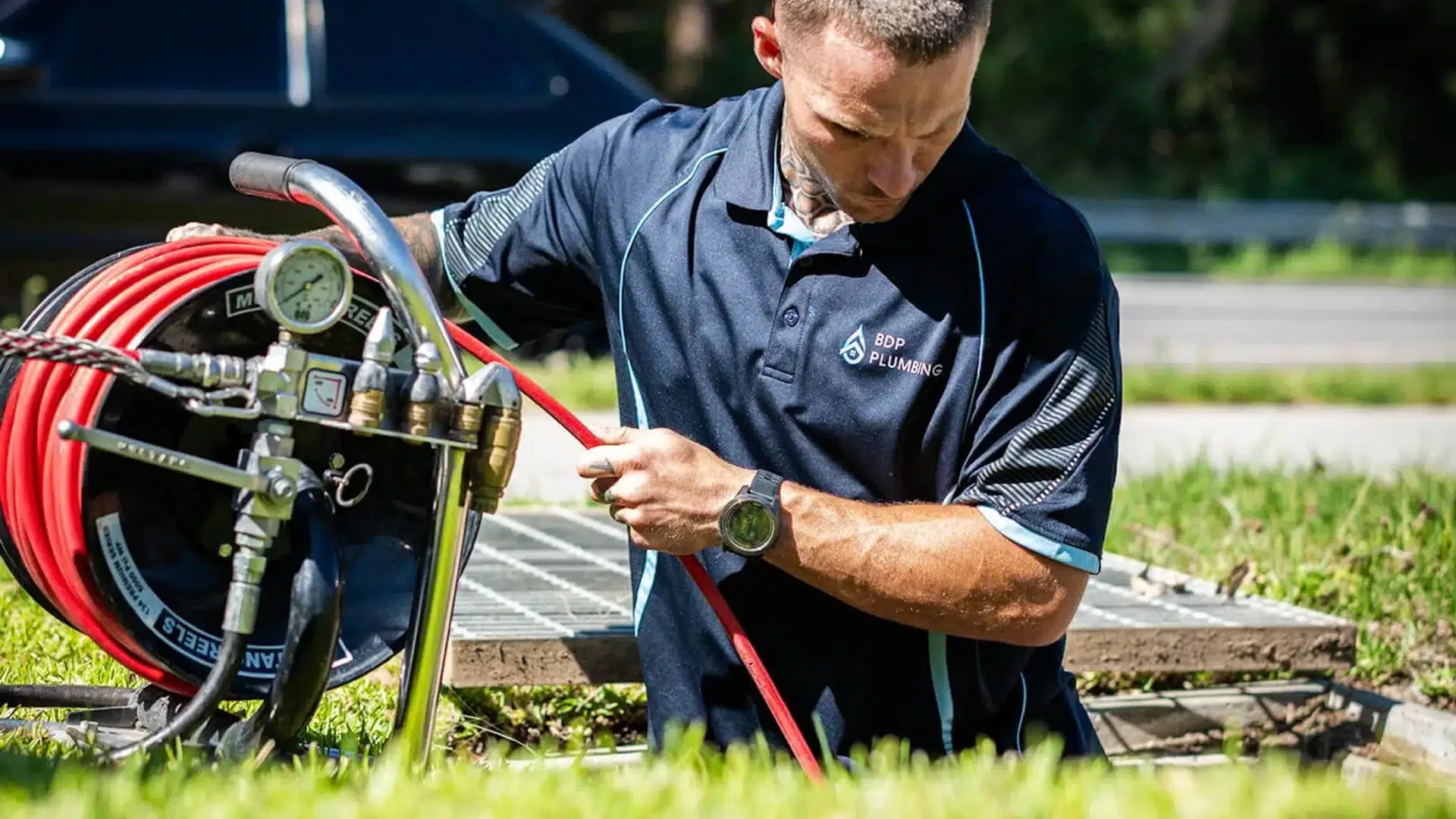
The gear does the finding: listening kit picks up the escape, the camera shows surfaces running warm, and pressure testing narrows it to one line. Nothing opens until the spot is proven.
- 4
Backed, no questions asked
If something isn't up to standard afterwards, we come back and make it right, no questions asked. That's the standard every Kotara job is held to.
One check worth running yourself
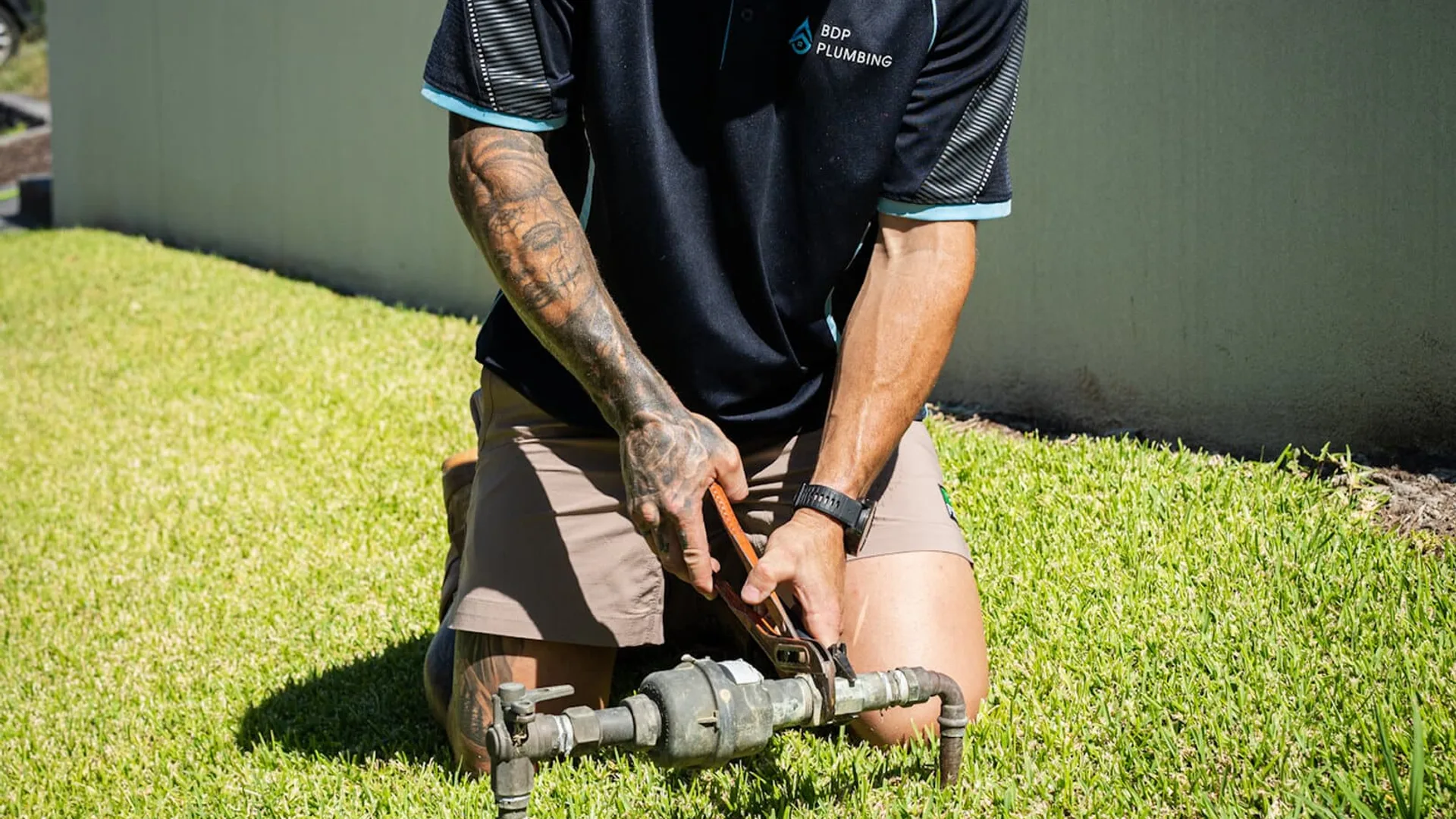
The water meter at your front boundary is a leak detector you already own. Hunter Water's meters record every litre passing through, so they answer a simple question honestly.
- 1
Turn off every tap, appliance and irrigation point.
- 2
Read the meter and write the number down.
- 3
Leave everything alone for an hour, then read it again.
If the number has moved, water is escaping on your side of the meter, and that's the moment to book a proper trace rather than wait for the stain.
What happens after the leak is found
Locating the fault is half the job; the fix depends on what's actually leaking. Each outcome has its own page:
If water has already done visible damage, the emergency plumbing hub handles the urgent side, and burst pipes is the right page when a line has let go rather than wept.
Why locals hand us the tricky ones
$0 Call Out
Quote First, Always
Licensed Local Plumbers
Made Right, No Questions Asked
Detection is where those terms earn their keep: the fault gets proven before you pay for the repair, not after.
Common questions about hidden leaks
How do you find a leak without opening walls?
Acoustic listening gear tracks escaping water through the pipe, a thermal camera maps temperature differences behind surfaces, and pressure testing isolates the faulty line. Walls open only once the spot is known.
How do I check my water meter for a leak?
Shut down every tap and appliance, note the meter reading, wait an hour with nothing running, then look again. If the number has moved, water is going somewhere it shouldn't.
Can a hidden leak really push a water bill up?
Yes, and faster than most people expect. A pinhole in a pressurised line loses water around the clock, so even a slow escape shows plainly on the next Hunter Water bill.
Do you repair the leak once you've found it?
We do. Detection and repair run as one job, so the quote you approve covers both finding the fault and fixing it, with no second visit to organise.
Is a hidden leak an emergency?
Not always, but water never improves a situation. Sagging plaster, a spreading ceiling stain or a meter spinning with everything off all call for same-day attention, while the damage is still small enough to undo.
What does leak detection cost?
The call out costs nothing and the quote lands before any work starts, so both the locating and the repair get priced up front and you approve the figure first.
Plumbers in Kotara and the suburbs around it
Book a leak check today
If the signs above feel familiar, don't wait for the stain to spread. Call (02) 4063 3461 and tell us what's happening. $0 call out across Kotara, a clear quote before any work starts, and a job that gets made right if it isn't right the first time.